
Tips for New Succulents and Cacti

Care of your new succulent plants

You’ve just bought a cactus plant…
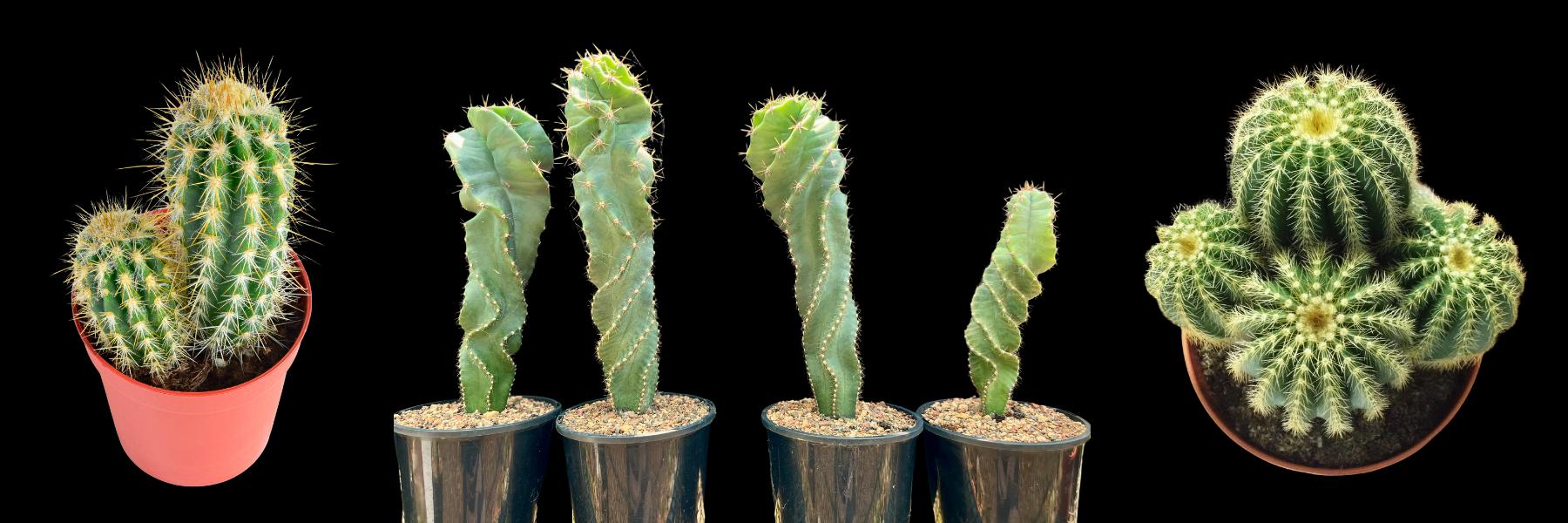
care of new cacti plants

Important tips for Cactus:

  • 1. Please let your cactus plant acclimate to it’s new home.
  • 2. Repotting of small-sized pots should wait for one week
  • 3. Repot to next-size-up pot only – too bigger pot can lead to cacti rotting
  • 4. Cacti need to be HAND-WATERED, never put under irrigation
  • 5. Do not water for seven days after repotting
  • 6. Do not water for seven days after buying – let it settle into its new environment first.
  • 7. 1st watering after buying – only water lightly
  • 8. 2nd watering – hand watering only, once a week in summer
  • 9. Dormant time – only water lightly, water should only penetrate 2 cm into the pot
  • * Specific cacti variety care – please research for detailed instructions for your specific cacti species. e.g. Melocactus- Turk’s cap cactus,do not like their roots disturbed. Be careful to keep soil on roots while repotting.

You’ve brought home a new succulent plant…

Echeveria do's and don'ts

Important tips for Succulents:

  1. If dry, give them three days before watering
  2. If you bought a big pot, wait seven days before watering – let them settle into their environment
  3. Repotting – wait at least one week after relocating
  4. You can remove the dirt when potting
  5. Trim roots if they are extensive
  6. If the plant is root-bound, shake the dirt out and free up the roots – trim old roots off to fresh root growth
  7. Plant in new soil specific for cactus or succulents
  8. Choose a bright spot with indirect sunlight for the first few days (especially if it came from shade or a greenhouse).
  9. Gradually move it into stronger light to prevent sunburn.
  10. Use a diluted liquid succulent fertiliser every 4–6 weeks during spring–summer only.
  11. No feeding during winter dormancy.

Enjoy!

Succulents are slow, steady growers — they’ll reward you with beautiful colour shifts and quirky shapes. Once you’ve had one for a few weeks, you’ll get to know its personality!
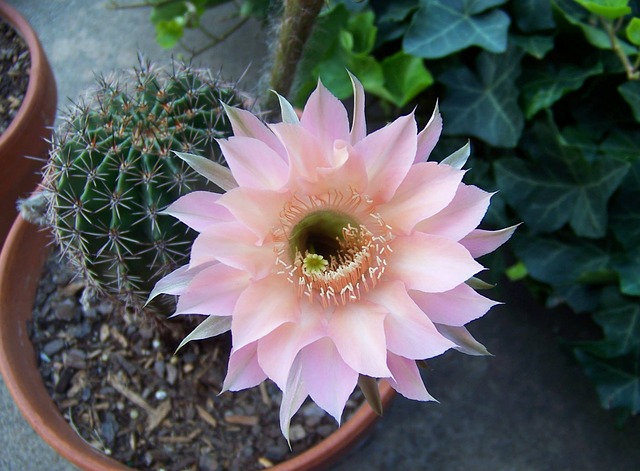
Care of Your Cacti and Succulents

Planting Your Cacti

cactus succulent care

Plant cacti in a cactus potting soil mixture, or make your own mix by adding equal parts sand, cow manure and garden soil.

These plants require adequate sunlight; if necessary, supplement the sunlight with additional bright light, so the plants receive a minimum of 12 hours light each day during the growing season (early spring to mid autumn).

Feeding

Cacti and succulents require a different ratio of nutrients that regular houseplants – so choose a fertiliser designed specifically for cactus and succulents. Feed the plants 5-10-10 fertiliser every two to three months, except after transplanting. And remember not to use fertiliser during the dormant season. This is the plants winter break.

You can’t buy happiness, but you can buy succulents! And that is pretty much the same thing.

cacti near me

Repotting

Once a cactus grows to within 1/4 inch of the edge of its pot, it is time to transplant it. Once it completes its dormant period, move it to the next-size pot. If your plant looks unhappy, you may need to re-pot in order to inspect the roots. Wait two weeks after repotting to water. Large plants can be repotted every 3-4 years.

Watering

Cacti require water – just like any other plant. Try to keep them as dry as possible by not watering from mid-Autumn, to early-Spring ; this is their dormant period, their winter rest. At the beginning of spring it is time to start watering succulent and cacti again – start gradually. Increase your light watering to once a week throughout spring and summer. Allow the soil to dry between waterings, but don’t forget that smaller pots dry out faster than the large ones. In the dormant period they should be kept in a dry, cool and airy position.

Water thoroughly, so that you see the water drain out of the pot. Then water again only when you when the top half-inch of the soil has dried out. From early autumn you should reduce the amount of water you are putting on, to prepare for winter. Do this gradually to allow the plants to harden their tissues and become more inactive in preparation of the dormant period.